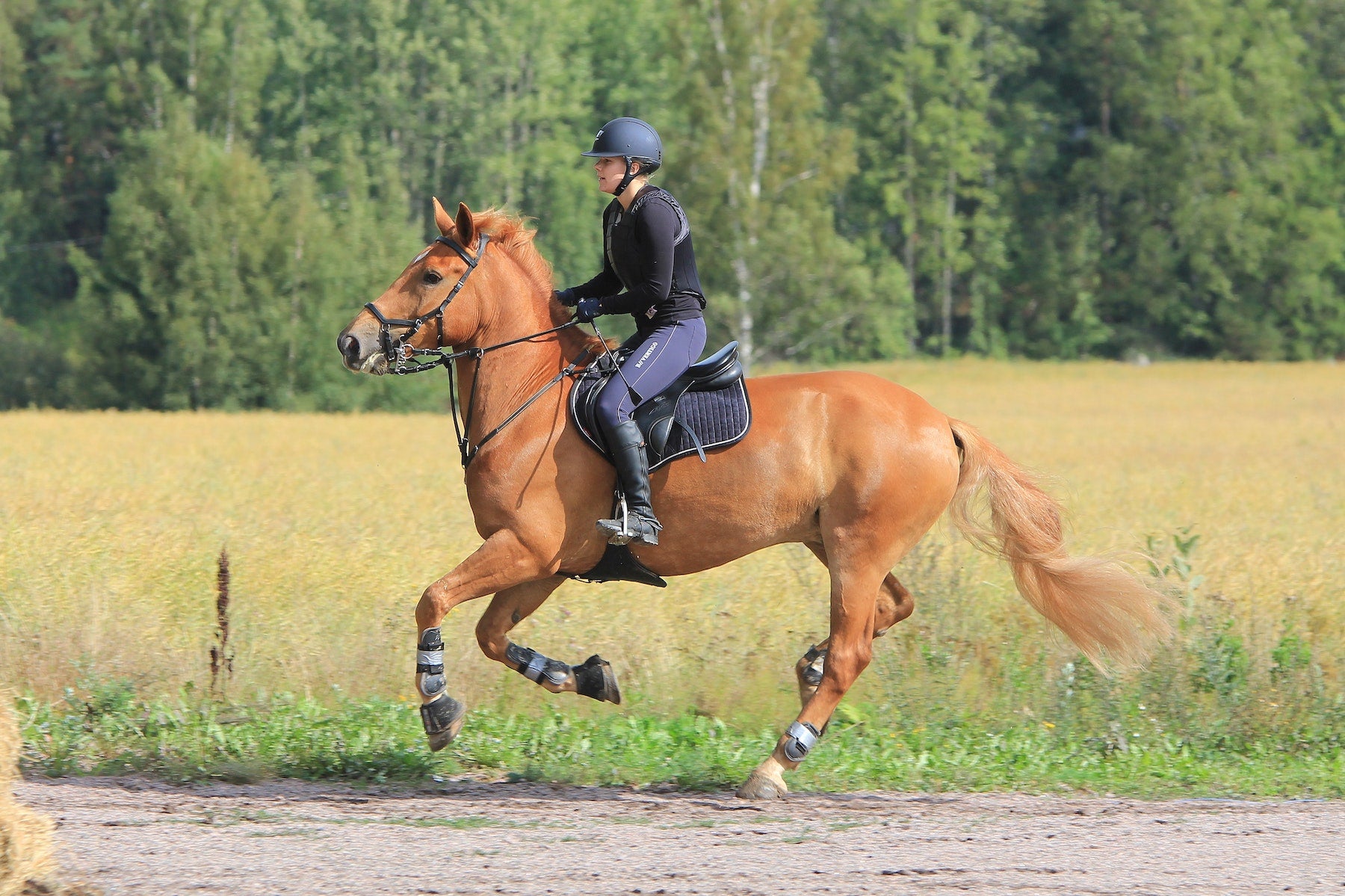
Apparel That Supports You at Speed, Over Fences, and on the Flat
-
Tucci Sofia Tall Boots
Regular price $1,095.00 USDRegular priceUnit price per -
Helite Zip'In Airbag Vest II
Regular price $759.00 USDRegular priceUnit price per -
Ego7 Women's Jumping EJ Knee Patch Breech
Regular price $319.00 USDRegular priceUnit price per -
Roeckl-Grip Riding Gloves
Regular price $69.95 USDRegular priceUnit price per -
KASK Star Lady Hunter Helmet
Regular price $690.00 USDRegular priceUnit price per -
Samshield 2.0 Miss Shield Shadowmatt Helmet
Regular price $649.00 USDRegular priceUnit price per -
Equiline Women's Ernaek B-Move High-Waist Knee Grip Breeches
Regular price $389.00 USDRegular priceUnit price per -
Equiline ATIRK Women's Knee Grip Breeches in 4 Seasons B-Move
Regular price $389.00 USDRegular priceUnit price per


Eventing Essentials
Tack & Apparel You Can Rely On


Breathable Eventing Helmets Built for Stability at Speed
Your helmet needs to stay centered at speed, manage impact well, and keep you cool through long, intense rides. Our selection includes dedicated cross-country helmets and helmets designed for dressage and stadium. These models deliver proven safety tech, secure fit systems, and ventilation that keeps you cool no matter how long the effort.
ENTRY
Reliable essentials for schooling & early eventing.

Ovation Deluxe Schooler Helmet
INTERMEDIATE
Enhanced ventilation, lightweight shells & improved fit.

One K MIPS CCS Avance Wide Brim Helmet
ADVANCED
Max protection & performance trusted by upper-level riders.
Samshield 2.0 Miss Shield Shadowmatt Helmet

Eventing Boots for Stability, Grip, and Control
These tall boots are chosen for structured support, dependable grip, and a close-contact feel that helps you stay balanced in dressage, secure at speed, and accurate in stadium without fighting your equipment.
ENTRY
Reliable essentials for schooling & early eventing.

Ariat Women's Kinsley Dress Tall Riding Boot
INTERMEDIATE
Enhanced ventilation, lightweight shells & improved fit.

Ego7 Aries Dress Boots
ADVANCED
Max protection & performance trusted by upper-level riders.
Tucci Sofia Tall Boots

Safety Vests that Work With You
When you’re out on cross-country, your vest should feel like part of your ride, not something that works against you. These vests absorb impact without restricting your movement, helping you stay balanced and comfortable through every fence and every stride.
ENTRY
Reliable essentials for schooling & early eventing.

Ovation Comfortflex Body Protector - Adult
INTERMEDIATE
Enhanced ventilation, lightweight shells & improved fit.

Hit Air Advantage H2 Air Vest
ADVANCED
Max protection & performance trusted by upper-level riders.

Freejump X'Air Safe Vest

Eventing Breeches for Close Contact and Connection
The right breeches help keep your leg stable and your contact consistent without locking you in place. Our eventing breeches offer reliable grip, technical stretch, and breathable fabrics that support a quiet leg in dressage, stability through uneven terrain, and comfort through long competition days.

Riding Gloves for Clearer Aids and Better Feel
From dressage precision to cross-country rein security, riding gloves should enhance your feel. These riding gloves offer dependable grip, breathability, and tactile contact to help you maintain steady rein across changing weather, footing, and pace.

Eventing Saddle Pads that Reduce Shifting
As riders progress, saddle setups often become more phase-specific—whether you’re riding all three phases in one saddle or transitioning to dedicated dressage and jumping saddles. These eventing saddle pads are designed to support stability, pressure distribution, and breathability across different saddle types, helping keep your tack secure and your horse comfortable through transitions, terrain changes, and jumping efforts.
Blog posts
View all-

LeMieux Verv Competition Helmet Review: Fit, Sa...
We got hands-on with the LeMieux Verv helmet to see how it stacks up. Check out our full review plus video. Learn more about the 360 fit system, safety certifications,...
LeMieux Verv Competition Helmet Review: Fit, Sa...
We got hands-on with the LeMieux Verv helmet to see how it stacks up. Check out our full review plus video. Learn more about the 360 fit system, safety certifications,...
-

Hit-Air SV3 Air Vest Review: Fit, Sizing, and H...
Air vests used to be something you’d mostly see on eventers heading out on cross-country. Now they’re showing up on hunters, jumpers, dressage riders, trail riders, and people just hacking...
Hit-Air SV3 Air Vest Review: Fit, Sizing, and H...
Air vests used to be something you’d mostly see on eventers heading out on cross-country. Now they’re showing up on hunters, jumpers, dressage riders, trail riders, and people just hacking...
-

Fabbri Prime Tall Boot Review: Fit, Break-In, a...
Thinking of upgrading to the Fabbri Prime Tall Boot? Check out our full review of the Fabbri Prime. We get hands on with this tall boot covering all the features,...
Fabbri Prime Tall Boot Review: Fit, Break-In, a...
Thinking of upgrading to the Fabbri Prime Tall Boot? Check out our full review of the Fabbri Prime. We get hands on with this tall boot covering all the features,...


"This company went way beyond great customer service and would highly recommend them to anyone! Thanks, Ladies of Farm House Tack! I love my new saddle!"
"Very professional and helpful. My items were delivered quickly and in thoughtful packaging. I will definitely order again! Thank you!"
"Great customer service and fast shipping! Will definitely shop here again."
"I love this shop. They always have what I need and great customer service."

Apparel for Dressage Balance, Cross-Country Security, and Stadium Accuracy
Rider-tested, hand-selected eventing apparel and tack designed to enhance connection, control, and confidence from start box to finish flags.